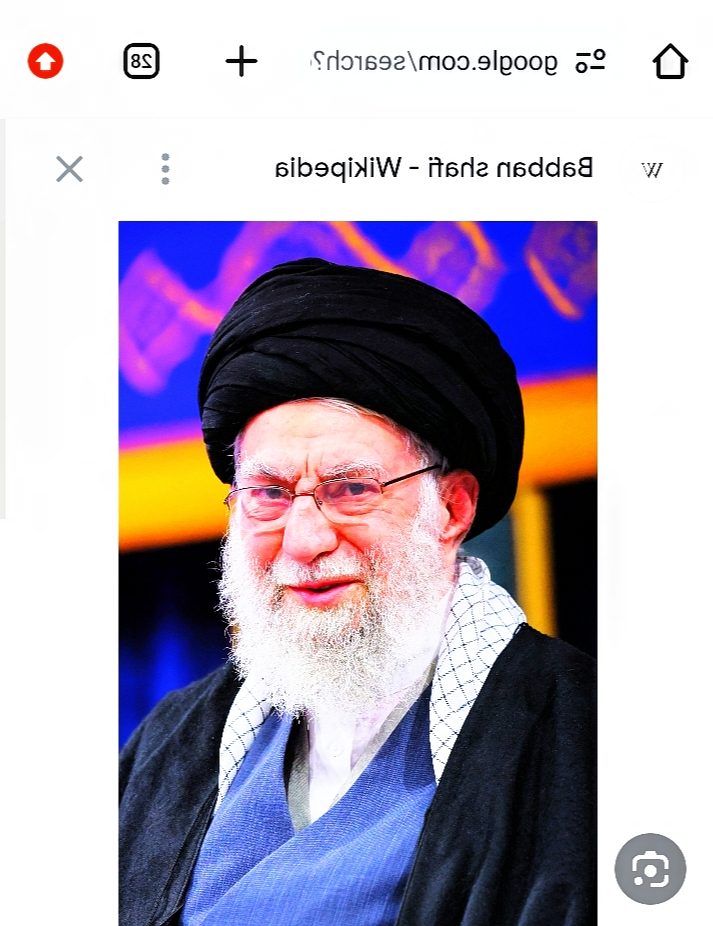
Who is Ayatollah Ali khameni ?
Ali Khamenei (and also called ayatollah Ali Khamenei) was a famous Iranian cleric, political head, and the second head Leader of Iran. Ali khameni is one of the fearless Muslim leaders in iran muslim community, He served as the highest power and authority in Iran from 1989 until his demise in early 2026, shaping Iranian politics, society, and foreign policy for more than 2 century.
Early Life and bio Data
Ayatolla ali khameni Birth in mashhad iran on 19th April 1939, a big, strong major center of Shia Islamic scholarship, an islamic movement that he chair.
Ali khameni Family Born into a religious family under shia movement; his biological father was a cleric and his mother also came from a famous religious background. He also a sayyid, meaning leader and he were traditionally regarded as a descendant of the Prophet Muhammad.
Ali khameni studied Religious Studies Islamic theology in Qom, Iran’s capital center for Shiʿi scholarship regiment, under leading of majors scholars including Ayatollahs Hossein and Ruhollah Khomeini. He also live for several years spent time studying in Najaf, Iraq.
Ali khame ni become activism, and later became politically active opposing the Shah’s rule in the 1960s and early 1970s, resulting in arrests and imprisonment by the Shah’s security services, which they detained him for several years.
Raise in the Islamic Republic and his Role in the 1979 Revolution.
Also Read…
BIOGRAPHY OF DAN BELLO, WIFE, CARS, EDUCATION BACKGROUND AND NETWORTH
BIOGRAPHY OF PELLER, HOUSES, CARS, NETWORTH AND EDUCATIONAl BACKGROUD
Ayatollah Khamenei was a much closed associate of Ruhollah Khomeini, the leader of the 1979 Iranian Revolution tutor. After the Shah fell, Khamenei was appointed to the Revolutionary Council and later became deputy defense minister of the state.
Presidency (1981–1989)
After attempt of the assassination of several senior and Iranian officials in 1981, Khamenei rose within the Islamic Republican Party and was elected President of Iran in October 1981. He served two terms until 1989. In that role, he dealt with bad governance during the Iran–Iraq War era and navigated complex factional politics within the new republic
Becoming Supreme Leader
In 1989After Ayatollah Khomeini’s death in, Ali Khamenei was selected by the Assembly of Experts to be Iran’s new Supreme Leader, despite not having the highest clerical rank at the time and poor military skill a decision made possible by constitutional changes.
As a rank of Supreme Leader, he became Iran’s famous and ultimate authority, with control over the entire military, security services, and judiciary, state media, and foreign policy, powers greater than those of the president or presidential parliament.
Leadership Style & Policies
Domestic Policy
Khamenei Centralize of Power and consolidated authority around the Supreme Leader’s office and senior clerical allies.
Ali Khamenei Crackdowns His tenure and saw suppression of dissent, especially during major protests (e.g., 1999 student protests, 2022 Woman, Life, Freedom movement) Critics described these responses as authoritarian.
Khamenei put a regulation in Control of Media & Politics Laws penalizing criticism of the Supreme Leader including imprisonment reflected the tight limits on political opposition.
Foreign Policy & Regional Influence
Khamenei oversaw an assertive anti-Western and anti-Israel foreign policy, supporting groups allied with Iran such as Hezbollah, Hamas, and the Houthi movement in Yemen.
He championed Iran’s controversial nuclear program, approving engagement with the 2015 nuclear agreement (JCPOA) while maintaining a skeptical stance toward Western intentions.
His rule extended Tehran’s influence across the Middle East but also triggered sanctions and long-standing geopolitical conflicts.
Joint US and Israel military air strike, and his Death.
Khamenei Unrest at The late 2010s and early 2020s brought repeated nationwide protests amid economic hardship expensive life and political dissatisfaction.
Ali Khamenei met his Death On February 28, 2026, Khamenei was reportedly killed in a joint strong military strike by the United States and Israel during chaos and heightened conflict in the Middle East. His death marked the end of his leadership of 37-year tenure as Supreme Leader, massive crowd gather from different Islamic state mourning his death.
Legacy and Supporters View
His followers saw him as backbone and defender of Iran’s regiment and sovereignty, Islamic identity, and resistance to foreign influence and rules.
Critics’ View:
Khamenei Described his leadership as authoritarian unique and repressive, with significant human rights violations, limits on freedom, and a legacy of internal and regional conflict.
Khamenei governance deeply influenced Iran’s modern history, making him one of the most consequential fearless and controversial leaders of the Middle East in the late 20th and early 21st centuries. Khamenei face critics from other country which the see him as person that denied female their right