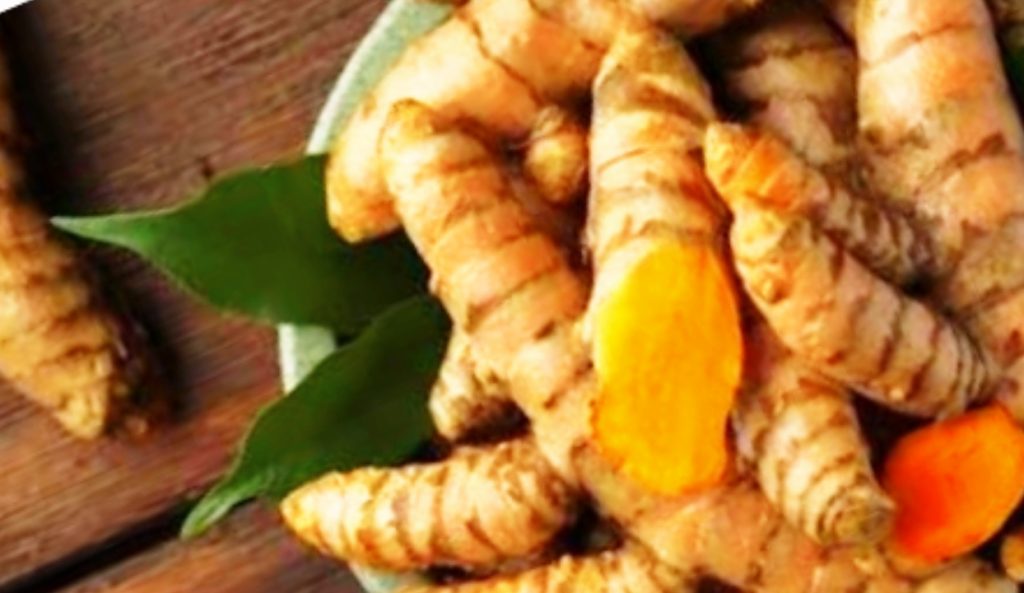

What is Turmeric?
Turmeric is a yellow-orange spice made from the root (rhizome) of a plant called Curcuma longa, which belongs to the ginger family.
Related post:
FULL BENEFITS OF GARLIC AND NUTRITION VALUES
BENEFIT OF CLOVE, USED AS TRADITIONAL MEDICINE AND NUTRITIONAL VALUE
MORINGA HEALTH BENEFIT AND NUTRITIONAL VALUE
AMAZING NUTRITIONAL VALUE OF PAPAYA SEED
ALL NUTRITION AND TRADITIONAL MEDICINE OF GINGER
Turmeric physical structure
A natural spice an d herbal medicine
Widely used in cooking, traditional medicine, and skincare
Known for its warm, slightly bitter taste and bright yellow color
Key Component
Curcumin – the main active compound
Responsible for most of turmeric’s health benefits and color
Common Uses of Turmeric
Used in foods like soups, rice, sauces, and curry
Used in herbal drinks and teas
Used in traditional medicine for inflammation and digestion
Used as skin care product
Used natural herbal for gastro intestinal issues
Forms of Turmeric
Fresh turmeric root
Dried turmeric powder
Turmeric tea
Turmeric supplements
Origin
Native to South Asia
Widely used in India, Africa, and Nigeria for both food and medicine
Find in ancient time
Why Turmeric Is Popular
Natural anti-inflammatory and antioxidant agent
Supports immunity, digestion, liver, and heart health
Anti-cancer agent
Anti-aging agent
1. Powerful Anti-Inflammatory
Helps reduce chronic inflammation
Useful for arthritis, joint pain, and muscle soreness
Supports recovery from inflammatory conditions
Help fight chronic disease
Help in purifying blood
2. Strong Antioxidant Properties
Neutralizes harmful free radicals
Protects cells from damage
Slows aging and supports overall wellness
Protect cell from damaging
Improve well being
Promote overall health
How Turmeric Helps the Liver
Detox support – Helps the liver neutralize and remove toxins
Protects liver cells – Antioxidants protect against damage from alcohol, drugs, and toxins
Reduces inflammation – Helps calm liver inflammation (useful in fatty liver)
Improves bile production – Supports digestion of fats and liver function
May help fatty liver disease – Studies suggest curcumin can reduce fat buildup in the liver
Repaired dead liver cell
Help in regeneration of decay hepatic veins
How To Use Turmeric for the Liver
1. Turmeric drink
½ teaspoon turmeric powder
Warm water and lime
Add a pinch of black pepper (very important for absorption)
Drink once daily
2. Turmeric in food
Add to soups, rice, stews, or vegetables regularly
3. Fresh turmeric
Grate small amount into tea or meals
Turmeric for Renal (Kidney) Health
Turmeric can support kidney health when used carefully and in moderation. Its main active compound, curcumin, has anti-inflammatory and antioxidant effects that may benefit the kidneys, and full renal function.
Potential Benefits for the Kidneys
Reduces inflammation
Helps lower inflammation that can damage kidney tissues
May support people with mild kidney inflammation
Antioxidant protection
Protects kidney cells from oxidative stress
Helps reduce toxin-related damage
Supports immune balance
May help control immune-related kidney irritation
Support overall being
May help in early kidney stress
Some studies suggest curcumin can slow kidney damage in early stages (not advanced disease)
Important Cautions (Very Important)
High oxalate content: Turmeric contains oxalates, which can increase the risk of kidney stones, especially if taken in large amounts
Not recommended in high doses for:
People with kidney stones
Advanced kidney disease
Dialysis patients (unless doctor-approved)
How to Use Turmeric Safely for Kidneys
Safe, low-dose option
¼ teaspoon turmeric powder
Warm water
A tiny pinch of black pepper
Drink 2–3 times per week, not daily
In food
Small amounts added to soups or meals is safer than concentrated drinks or supplements
Avoid in
High-dose turmeric supplements
Daily strong turmeric detox drinks
Mixing turmeric with dehydration (always drink enough water)
Recommended and advisable Amount
½–1 teaspoon per day (powder)
Always combine with black pepper or healthy fat (like olive oil)
Supports Heart Health
Improves blood circulation
Helps lower bad cholesterol (LDL)
Reduces risk of heart disease
Help in blood circulation in the body
Boosts Brain Function
May improve memory and concentration
Supports brain chemicals linked to mood
May reduce risk of Alzheimer’s disease
Help in proper thinking and reasoning
Helps Control Blood Sugar
Improves insulin sensitivity
Helps manage type 2 diabetes
Reduces blood sugar spikes
6. Strengthens Immune System
Antibacterial, antiviral, and antifungal effects
Helps the body fight infections
Supports faster healing
Aids Digestion & Gut Health
Stimulates bile production
Reduces bloating and gas
Supports healthy digestion
8. Supports digestion and metabolizing
Helps in bowel movement control
Protects gastro intestinal function
Supports overall treatment of duodenum ulcer
9. May Help Prevent Cancer
Curcumin may slow cancer cell growth
Supports healthy cell function
Still under research, but promising
Protect cell against damage
10. Improves Skin Health
Helps treat acne and eczema
Reduces skin inflammation
Promotes glowing skin
Repair dead skin


