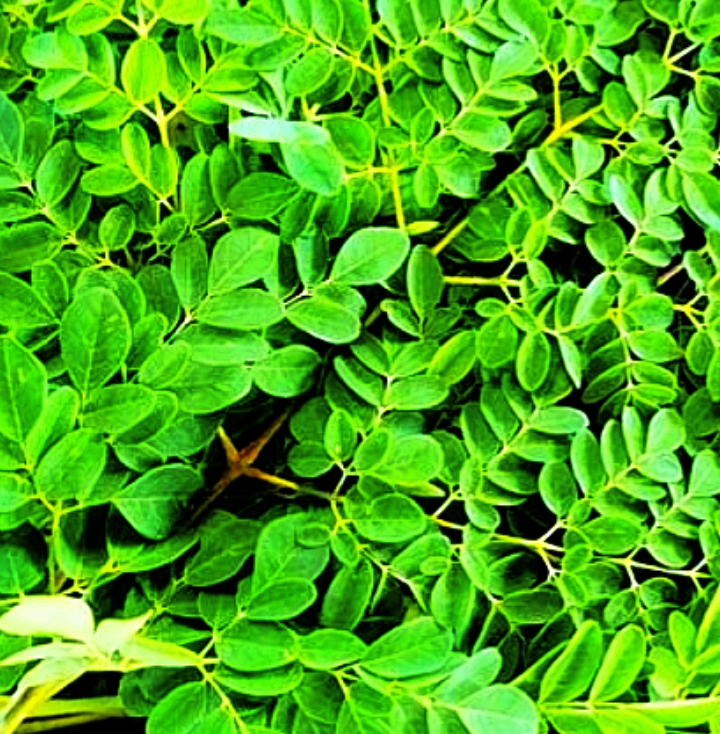
WHAT IS MORINGA ?
Moringa oleifera called drumstick tree, a rare miracle tree, is one of the most nutrient plants on this planet . Almost every part of the plant is edible and medicinal, leaves, pods, seeds, flowers, bark, and roots.
Nutritional Component of Moringa
Moringa oleifera contain many micro nutrient which are very supportive for overall health of human body
Vitamins
Vitamin A supports vision & immunity.
Vitamin C more than oranges, support in immune strength, repair dead skin
Vitamin E help in body detoxification
Vitamin K: help in blood clotting formation
B-vitamins: B1, B2, B3, B6, B12 help in performing so many function in the body
MINERAL FOUND IN MORINGA
Calcium body electrolyte
Iron: body ions
Potassium body electrolyte
Magnesium body electrolte
Zinc: body ions
Phosphorus body electrolyte
Amino Acids
Moringa has much amino acid, oleifera almost Contains 18 amino acids, including all 8 very essential amino acids like, leucine, methionine, lysine tryptophan.
Phytonutrients in moringa oleifera & Antioxidants
Chlorogenic acid
Kaempferol
Polyphenols
Flavonoids
Omega-3, Omega-6
Overall Health Benefits of Moringa oleifera
Highly Nutritious
Excellent for malnutrition
Rich in protein, vitamins, minerals
Supports children, pregnant women
Treat anemia, a condition where a person have low red blood cell
Contain many micronutrient
Energy booster
Powerful Antioxidant in moringa oleifera
Protects against:
Aging
Cell damage
Inflammation
Free radicals
Fast wound healing
Repair GI Tract issue
Help in digestion
Help bone growth
Anti-Inflammatory Effects
Relief inflammation associated with:
Arthritis
Joint pain
Autoimmune conditions
Chronic inflammatory diseases
Liver disorder
Osteoarthritis
Repaire dead tissue in the body
Supports overall Heart Health (Cardiovascular Disease)
Reduces cholesterol
Lowers LDL
Increases HDL
Supports healthy blood pressure
Correct abnormal arrhythmias
Support overall cardiac health
Maintain and Regulates Blood Sugar level (Anti-diabetic)
Helps reduce blood sugar spikes due to:
Chlorogenic acid
Isothiocyanates
Active and Good for:
Type-2 diabetes
Prediabetes
Insulin resistance
Improves many gastro issues and Digestion
High in fiber, moringa are high fiber help in digestion
Relieves constipation
Supports gut microbiome
Helps with gastric issues like acid reflux
Help in gastro intestinal issues
Help in managing bloating.
Boosts Brain sharpness & Memory Function
Vitamin E
Antioxidants
Omega-3s
Amino acids
B1 b2 b3 b13
Help in managing azheirmers
Supports:
Memory
Focus
Mood
Stress relief
Treat insomnia, a condition where a person found difficult to fall asleep.
Supports Skin & Hair Health
Promotes collagen production
Fights wrinkles
Treats acne
Strengthens hair
Hydrates skin
Health in skin glowing
Repair damage hair
Repair damage skin
Aids Weight Loss
High fiber → increases satiety
Regulates fat metabolism
Improves thyroid function
Help in burning cholesterol
Help in maintaining a body shape
Liver Detoxification
Moringa helps in managing many minor liver disorders and protect the liver from:
Toxins
Medication damage
Fatty liver
Oxidative stress
Detoxification
Reliving stress
Improves Sexual Health
In an ancient time moringaTraditionally used to improve:
Libido booster
Fertility
Sperm count
Hormonal balance
Sperm health
Anti-microbial & Anti-fungal
Effective against bacteria and fungi infection like Candida, and salmonella, klebseila, E coli
Moringa & some of Their Uses
Most nutritious
Used as powder, tea, capsules, fresh cooking
Moringa leave serve as vegetable in food
In Africa peoples use moringa as nutritional value in their diet
Seeds
MORINGA seed come from the Moringa oleifera tree, often referred to as the “miracle tree” due to its numerous health benefits and nutritional value. Here are some key points about moringa seeds:
Nutritional Benefits
Rich in Nutrients: Moringa seeds are packed with vitamins (A, B,C, and E), minerals (calcium, potassium, Zinc and iron), and antioxidants.
Protein Source: They contain a good amount of protein, making them a valuable addition to vegetarian.
Used for:
Water purification
Oil extraction
Nutritional supplements
Root
Strong medicinal properties
Should be used cautiously
Use in treating many healh issue
Side Effects & Precautions
Moringa is generally safe in food amounts.
Possible Side Effects (large doses)
Nausea
Diarrhea (due to high fiber)
Low blood pressure
Low blood sugar
Avoid Excess If
Pregnant (root/bark may induce contractions)
Taking diabetes medications
Taking blood pressure medications
Taking thyroid medications
Moringa is one of the most nutrient-rich plants in the world with benefits for:
Heart
Brain
Immunity
Digestion
Blood sugar
Skin & hair
Hormonal health
Weight management
Origins
Native Region Moringa oleifera is believed to have originated in the foothills of the Himalayas in India. It has since spread to various parts of Africa, Asia, and South America.
Historical Uses
Traditional Medicine: in an ancient time or Ancient civilizations, including the Egyptians, Romans, and Greeks, and Africans recognized the medicinal properties of moringa. It was used to treat various disease and ailments, such as infections, inflammation, and digestive issues.
Moringa Ingredient, Moringa leaves, pods, and seeds have been used as food sources in many cultures. In India, the pods (drumsticks) are a common ingredient in curries and soups.
Cultural Significance of moringa
Religious References: Moringa has been mentioned in various religious texts and folklore. In Hindu culture, it is often associated with purity and is used in rituals.
Traditional Practices: In many African communities, moringa is valued for its nutritional benefits and is often referred to as a “superfood.” It has been used to combat malnutrition in vulnerable populations.
Modern Recognition
Nutritional Research: In recent decades, moringa has gained global attention for its health benefits. Scientific studies have highlighted its potential as a nutritional supplement and therapeutic agent.
Sustainable Agriculture: Moringa is also appreciated for its drought-resistant properties and ability to thrive in poor soil, making it a valuable crop for sustainable agriculture in developing regions.
Moringa Global SpreadInternational Interest: Today, moringa is cultivated worldwide, particularly in tropical and subtropical regions. It is marketed as a health supplement in various forms, including powder, capsules, and teas. And some research show that moringa have been uses in an ancient time for treatment of many health issues including treating anemia, gastro issues and arthritis.
Moringa’s journey from ancient times to its current status as a nutritional powerhouse is a testament to its versatility and importance in various cultures.
3 thoughts on “MORINGA HEALTH BENEFIT AND NUTRITIONAL VALUE”